

Families look for postpartum depression treatment that really works for mothers. Postpartum depression treatment that works doesn’t promise unrealistically fast results. In this guide, we’ll provide you with options for postpartum depression treatment in 2025. It is for educational purposes only and is not medical advice/diagnosis.
Research has informed practitioners to individualise care. As with prescription medications, coming to a decision is based on symptoms, risks, preferences, and availability. Plan for mental health treatment including the ongoing monitoring of memory and low-level assistance activities Language remains neutral and there is no firm claim for cure.
In the US and Canada, it is most commonly referred to as postpartum care and behavioral care. In the UK we use postnatal and behavioral care. Both of these call for organized therapies with supportive medical supervision. Reassessing basic strategies and pragmatic expectations.
| Approach | Primary Focus | Format & Cadence | Especially Helpful When |
|---|---|---|---|
| Cognitive Behavioral Therapy (CBT) | Reframe thoughts, plan activation, build skills | Weekly, time-limited, homework with tracking | Negative thinking loops, avoidance, rumination |
| Interpersonal Therapy (IPT) | Role transitions, grief, communication | Weekly, structured problem-solving and practice | Relationship strain and identity shifts |
| Supportive Therapy | Validation, coping strategies, strengths | Flexible frequency; integrates with others | Mild symptoms or bridge to structured care |
| Medication Monitoring / Adjuncts | Response, benefits, tolerability review | Visits aligned with milestones | Moderate–severe episodes or limited response |
Treatment guidance includes CBT for Postnatal Depression: What New Moms Can Expect and insights on How Cognitive Behavioral Therapy Treats Postpartum Depression.
Understand risks when conditions escalate through When Postpartum Depression Turns Into Psychosis and read deeper with Understanding Postpartum Depression Psychosis in Mothers.
Gaining insights into diagnosis, severity and concordance processes
Screening instruments provide risk guidance but should not substitute a clinical judgment. Clinicians evaluate risk, sleep, insight, thinking, and functioning. Strategies are then paired with severity and the necessary intensity and supports. Parent should be ready for reconference because healing is a process.
While there is no cure for postpartum depression, recuperation does occur, however. Therapies seek remission and restoration of everyday function. Most people get better with early, regular, combined treatment. Momentum increases when there is buy-in from supporters around targeted objectives.
Initial practical measures that support any care plan
Put in place small steps that secure days and nights, Identify feeds and house tasks carry out childcare backups and transportation to appointments V. invite trusted members to important meetings.
- Sleep blocks with rotating night support.
- Knowing they need to eat simple food at regular intervals is also important to keep energy levels steady all day.
- keeping a short term daily diary of mood, sleep and triggers.
- Set one achievable goal per day and you will be on your way to eliminating overwhelm.
- Take short day walks to match a circadian pattern and to wake your body slightly.
- A palabras: have a supporter take responsibility for weekly scheduling and remindings.
Innovation is seldom a ladder climb, and there are many stumbles along the way. Celebrate small victories along the way and assess failures objectively Integration of therapies trains skills that snowball when repeated over time. Dosts and drabs help to keep progress going during weeks when tougher times arrive.
Why psychotherapy is often the treatment for choice
Therapy works to alter the patterns that contribute to low mood and anxiety. Skills are developed during session, and can be generalized across sessions. Carryover is increased with family participation. Comparing Leading Psychotherapies To Monitor Remedy.
Call emergency services and supervise the baby constantly.
Remove hazards and seek urgent professional evaluation now.
Skills are turned into habits if families encourage repetition of skills between sessions. Campaigners can actively identify triggers and plan for them in advance. Tracking ties home experiments to therapist instruction “Synergism” often occurs and the different modalities are more effective when combined.
How CBT operates in the perinatal time
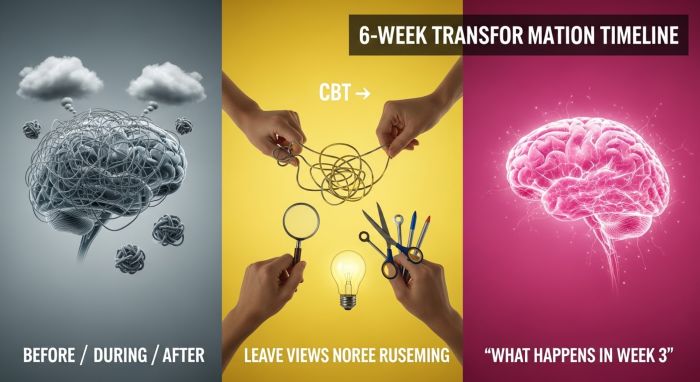
Cognitive behavioral therapy (CBT): CBT is a therapy that is effective for postpartum needs by focusing on adaptive problem-solving strategies. Sessions literally map the connection of thoughts, feelings and behaviors. No matter how intense the issue is-a context that encourages reconnection with rewarding activities and values is links Cognitive skills allow one to avenge counterproductive notions with soft experiments.
Very many programs offer CBT for postpartum depression effectively. Therapists model the development of tools that can be adapted to sleep and feeding realities. Homework is kept short, consistent and result orientated for each week. Confidence grows when families experience measurable functional change.

One of the most popular searches is postpartum depression cognitive behavioral therapy. Example: Aims are reached by repetition and parallel difficulty at various points in time. Therapists then teach troubleshooting when setbacks inevitably happen. Sponsoring contacts encourage micro-practice: daily between sessions.
Cbt for postpartum depression is sometimes reported by clinicians to be skills-based. The process removes avoidance and defines actionable next steps. Worksheets turn into small tasks that are small enough to get done today. Progress charts are rewarded for consistency, not for heroics or perfection.
In the UK cbt is the acronym used in some authorities for postnatal depression. Ideas are the same regardless of spelling variations and systems. Examples are geared to local health and community resources. communication of activities between home and clinic.
Other psychotherapies and combined models in practice
Interpersonal Psychotherapy Emphasizes relationship and role change as a potential stressor Discussions within closed doors help limit the divisions of misconception and hostility. Parents are taught how to ask for assistance more explicitly. Grief work is a celebration of loss and a reconnection of our support systems.
Treatment centers offer validation behavior and effective coping skills. Each week we work on what is strong with the child and map the resources available. The protocol is appropriate for waiting time or light attacks. It can be infused into more structured modalities when necessary.
Group structures provide both peer pressure and standardisation. Groups facilitate individual sessions and provide structure around them. Dr. Mario Bungea, senior reading specialist and reading coach, says there is a great correlation between teaching each other and staying motivated, particularly during the more challenging weeks. “Online access between appointments can be a help.
How medications should be entering a 2025 plan
Medications are chosen in a context of benefit/risk and priorities. Check response, side effects and function regularly Therapy and carefully monitored pharmacology can be combined Coordination helps ensure that there is no duplication, and conflicting recommendations.
Lack of sleep aggravates symptoms and delays the time until patients are at full recovery. For some clinicians, sleep strategies are a preferred first step over medication changes. Stimulating the environment yields unexpected good results on sleep length and quality. These modest improvements on small scales begin to compound the effects of therapy over the next few weeks.
You can explore detailed resources about maternal mental health starting with What Is Postpartum Depression and Why It Happens. Learn safe ways of Coping With Post Pregnancy Depression the Right Way and gain clarity through Postpartum Dep: Understanding Shortened Medical Terms.
Recognize signs from the Full List of Postpartum Depression Signs and Symptoms. Screen early using Edinburgh Postnatal: A Quick Screening Guide for New Moms.
Practice of everyday activities that reinforce therapies
Recovery speeds up when Habits align with Therapeutic Learning Targets Routine anchors the practice time and limits decisions fatigue Supporters can control logistics during break practice times. Visual trackers provide a sense of momentum and uncover otherwise unseen progress.
The crowbar levers are food, fitness and the sun. Time distilled exercises allow mastery and delight to regenerate. Not to mention, eating a meal according to a timeline can maintain a stable endocrine state because it can avoid the rise and fall of glycemia. Any daylight exposure increase entrainment strength.
Content Provision (across areas): Digital efforts and access
Teletherapy fills the gap between rural and urban based facilities. Hybrid schedules cut down on commutes which are stressful during newborn care. Secure chat to support homework in between sessions Cultural and language accessibility: Translation support allows you to make your content accessible to a global audience.
Care navigation services help with coordinating referrals and follow through. They also list local resources and troubleshoot access issues. Insurance knowledge can help you to reduce uncertainty and cover features, and help manage expenses. Early contact removes compounding effects of distress and risk.
Explanation setting and follow up for months
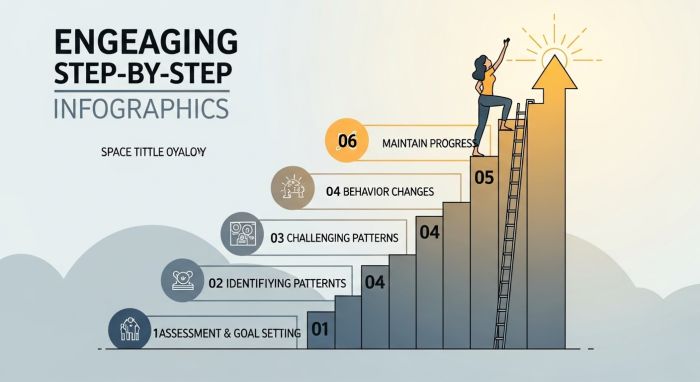
The beginning few weeks are all about safety, sleep and stabilization. Middle weeks – Fluent skill acquisition and situation practice. Additional weeks support implementation of skills and add to relapse-prevention plans. Graduated step down keeps support but increases independence.
Sometimes you want a high degree of initial mending. Layered consistent work is the most common access to holistic recovery. Tactics are adjusted as thresholds are met or barriers are encountered. Families should be happy with some successes and new competencies.
Making decisions with your clinicians and supporters
Take along symptom sheets and questions for every appointment: Ask respectfully how therapies will take the weekly experiences into consideration. Ask about skills used under complex circumstances Explain how supporters can support practice in between sessions.
Jot Everything that is important for this season Values show what goals are important to focus on this month. Therapists can ground skills in those selected values. Being aligned creates motivation when energy is particularly scarce.
Building momentum following the first months of progress
Step down protection: Gain saving girl, down-transformation in steps. Booster lessons refresh warning signs and quick response plan Families review values and make changes to goals for new seasons Agility (skills) developed when circumstances changed.
Recovery times vary from individual to individual depending on the severity and aids used. Requires effort, adaptability and frequent consultations with clinicians. That means safety, sleep and practice should be the routine of every week. These empirical models are used to provide therapeutic intervention to ensure the family’s stability.
Keyword definitions for this instructional guide
Some readers search things like psychotherapy for postpartum depression and compare options. This term plays within CBT, IPT, supportive modalities and groups. It is the preference for formal, dialogue-oriented, and recovery-based. Classification is important, but even more so is matching therapy to need.

Others compare models between therapy skills frameworks. Combined therapy and strict medical monitoring are therefore sometimes preferred. Focused teams bring alignment and clarity Careful individualized planning of cadence, homework and family involvement.
Finally, many ask about cognition behavioral therapy in postpartum depression today. Wide-area availability based on hybrid train following and adaptive scheduling. Targeted, focused repeated practice works, even with shorter sessions. Home-based deliveries ensure carryover between sessions with the therapist.
FAQs
Will postpartum depression always be treated without medication in 2025?
Severe or moderate episodes often include medication, although therapy is often the first course of treatment. Breastfeeding, values, and the benefits/risk of these choices can be dissected. Monitoring procedures are also important during evaluations of response and tolerability.
How long does it normally take for someone to feel some sense of improvement?
Regardless, results are inconsistent but many people start to see results in the space of several weeks. Behavior changes fastest when there is alignment between therapy skills and home supports Skills are embedded over months as living structures are built. Step pressure is less frequent, but still holds the necessary scaffolding.
Is it possible to have partner therapy or relative therapy together?
Yes. Practical communication and technical help is provided through involvement Therapists use techniques to balance sleep, activities and expectations for the family. Also, participation reinforces accountability for skills practice between each visit.
What if I don’t have many therapists in my vicinity?
Telehealth, Blended Schedules and Groups can expand settings. While waiting, it doesn’t always mean they will have supportive contacts: sometimes waitlists provide fleeting contacts. Provision of provisional skills and monitoring programs to clinicians; Link boolean flags can be used to find resources in each region in an efficient manner.
How do I know which therapy is right for me?
Always talk to your clinician about goals, limitations and preferences underline the relationship between the approaches and experiences of symptoms and everyday life. Ask for copies of sample weekly homework and criteria for participation. Act on what you can practice regularly now.