
Introduction
This may be the question you have pondered many times. How long will this last? Days may seem like an eternity if you or your loved one is affected by it. Speaking to mothers in this situation, I have heard some say they felt relief in weeks, while others say they felt stuck for months. We also know that no two journeys are alike.
This is something we will go through together. We will try to define what postnatal depression is. We will analyze how long it can last. We will look at the stories of real women. We will explore the effects of treatment. And we will analyze your legal entitlements at work and home. By the end of this, you will feel clearer. You will know how to move and what is the best approach.
Recognize signs from the Full List of Postpartum Depression Signs and Symptoms. Screen early using Edinburgh Postnatal: A Quick Screening Guide for New Moms.
What Is Postnatal Depression?
Baby Blues or Depression?
You might have come across the term ‘baby blues’. ‘All mothers go through it’ is what they say. You cry and feel anxious for no reason. You may even lash out at loved ones. But it goes away eventually. That is the baby blues.
Post natal depression is different. It lasts for a longer time. It is more intense. You may find disinterest in things you once enjoyed or loved. Bonding with your baby might also feel strained. Some women feel guilt or shame even. For instance, I have met mothers who say, I should be smiling, but what I feel is more of an absence. That is post natal depression.
Signs You May Notice
- Constant sadness
- Irritability
- Changes in appetite
- Trouble sleeping even when the baby sleeps
- Feeling guilty or worthless
- Difficulty bonding with the baby
If these feelings last more than two weeks, you may have postnatal depression.
How Long Does Postnatal Depression Last?
What Studies Show
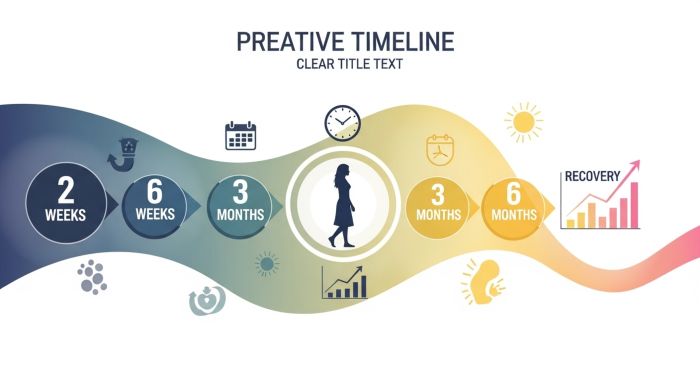
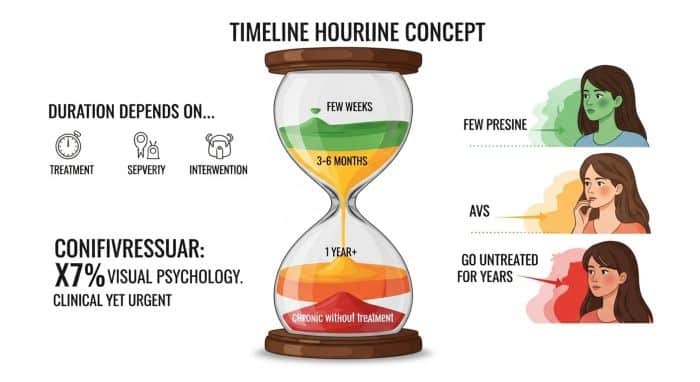
For years, the doctors and other researchers have been studying this issue. The NHS estimates that dreadful postnatal depression might last several months without treatment, and WHO studies indicate that some mothers improve in six months. However, many mothers take close to a year. The American Psychological Association reports that out of its sample population, approximately 38 percent of women still reported lingering postnatal depression symptoms after a year.
Clearly, the situation is more complicated than that. It could take six months, it could take a year, and in some cases, it might take even longer.
When It Lasts Longer
I have worked with a woman who endured postnatal depression for a period of two years. She had no family in close proximity and her partner worked long hours. It is no surprise that she did not attend therapy until very late in the depression period. You could only imagine the amount of loneliness she endured.
Conversely, I knew another mother who was able to seek help the earliest. She was able to attend therapy on a weekly basis and did have family support. She regained her identity in a span of six months.
Factors That Affect Duration
- Support system: Do you have family or friends helping?
- Access to care: Can you get therapy or medication?
- Physical health: Do you have complications after birth?
- Workplace support: Do you have maternity leave or flexible hours?
The more support you have, the faster you may heal.
Legal and Workplace Considerations
Maternity Leave Matters
We both understand that dealing with stress can worsen existing feelings of depression. This is the reason why maternity leave has been designed. In the UK you can take up to 52 weeks of leave. In the United States you may take up to 12 weeks of leave that is unpaid due to the FMLA.
That is quite a gap. Some women mange to heal faster because they have time. Others have to get back to work which essentially leads to a slower recovery.

Insurance and Coverage
There are other factors that come into play such as with insurance. When you reside in a country that falls under the umbrella of a universal healthcare system like the UK you are able to receive healthcare that is free or low cost.
In the United States, insurance you hold may have coverage that offers therapy or medication but that is often restricted. This is important because it can impact the speed of your recovery. I have witnessed women not going for therapy due to the expense. That postponement can prolong depressive feelings.
Treatment guidance includes CBT for Postnatal Depression: What New Moms Can Expect and insights on How Cognitive Behavioral Therapy Treats Postpartum Depression.
Recovery Paths and Timeframes
Therapy
Therapy is among the most promising options. CBT can help you work through the complexities of your minds. It shows you that guilt and shame is a falsehood. I have seen women who commenced therapy and within weeks felt relief. Complete healing can take several months, and therapy, however, prepares you for the long haul.
Medication
Any prescribed Medication can also help. There are some Antidepressants, for example, that are known to restore balance to the brain. The physician remains concerned about the safety of breastfeeding, however. There are side effects, yes, but with the case of many women, medication becomes the primary source at the forefront of relief.
Support Groups
Sometimes all you want is to have a conversation with a person who gets it. That is what support groups are for. You have a room full of mothers. You listen to their stories and share yours. And then you all realize, I am not the only one. I have heard many women talk about relief and healing after their first group sessions.
Real Stories
Support can come in many forms. For example, Sarah, 29, had some family support. She started systematized therapy two months after giving birth. In six months, she was fully recovered.
In another example, for Aisha, 34, support was lacking. She was the one who led the way when it came to treatment. For nearly two years, she was in a depression phase. The only improvement was after enrolling in the support program.
These examples are proof of the different timelines illustrated. Your journey will be just as different.
Signs That You Are Recovering
You may not notice recovery at first. But small changes matter.
- You sleep better.
- You enjoy your baby more.
- You laugh again.
- Your appetite returns.
- You feel less guilty.
Recovery is like climbing stairs. You may go up slowly. Sometimes you may step back. But overall, you keep moving up.
You can explore detailed resources about maternal mental health starting with What Is Postpartum Depression and Why It Happens. Learn safe ways of Coping With Post Pregnancy Depression the Right Way and gain clarity through Postpartum Dep: Understanding Shortened Medical Terms.
Pros and Cons of Recovery Approaches
| Approach | Pros | Cons |
|---|---|---|
| Therapy | Builds resilience. Lasting results | Takes time. Can be costly |
| Medication | Fast relief. Helps severe cases | Side effects. Stigma issues |
| Support groups | Emotional support. Shared stories | Not enough for severe cases |
Can Postnatal Depression Come Back?
Certainly, it is possible. If you have had it once, you may face it again after another birth. Studies suggest that up to 30 percent may face the problem again after the first instance. However, that risk can be minimized. The best option is to make a plan to talk with your health care provider. To talk to with your doctor during pregnancy is another option, so is developing a multi-faceted strong support plan, and preventive therapy.
Coping Methods That may Help You And Your Family Prepare For The New Arrival.
- Start a conversation: Reach out to your family or let your partner know about your tears and feelings.
- Be informed: Check with your mental health system and utilize maternity leave safeguards.
- Your health matters: Eat something, Rest your tired body, and Move, if the opportunity arises.
- Be proactive: The more you wait, the more goes out of your hands.
- Become a member: You may be a part of a support network and also avail of on-line groups.
I always tell the mothers this: You are not weak. You are a human and it is ok to take your time to heal.
Conclusion
Post natal depression can last for many months and possibly even a year or exceed that duration. Let me also mention that with the right assistance, you will overcome the hurdle. However, without assistance, the undertaking becomes lengthier and more difficult.
I have encountered mothers who have successfully undergone therapy. I have also seen mothers who have successfully found hope in medication. Some relied on their relatives while others relied on the family. Every single one managed to do it.
You also will. You are not isolated. Although it may feel as though you are, rest assured it will come. Recovery may feel distant but with the right initiative, will come.
FAQs
Does postnatal depression heal on its own?
It may heal on its own, but it would take much longer. In this case, treatment would usually help you heal faster.
Is it possible to recover in just a few weeks?
In fact, some women feel better in weeks, especially with mild symptoms, but most take months.
How do I know if I have postnatal depression or just baby blues?
In this case, if feelings last longer than two weeks and impact your functioning, it may be a case of depression.
What legal recourse is available to me if I do not return to work?
It varies by country, as numerous jurisdictions have maternity leave and disability benefits.
Do fathers experience postnatal depression?
The answer is yes, studies have found that fathers may also struggle with it and need support and care.
References
- NHS. Postnatal depression. National Health Service UK.
- WHO. Maternal mental health. World Health Organization.
- American Psychological Association. Postpartum depression: Facts and statistics.