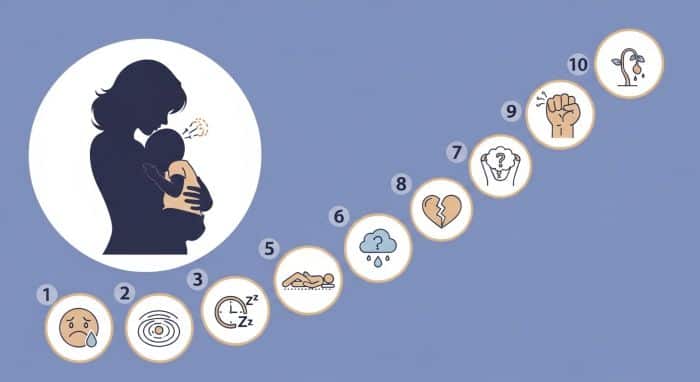


Working towards early treatment feels like starting with identifying the signs of postpartum depression. Postpartum depression symptoms can present themselves very early. Knowing how to recognize the symptoms of postpartum depression means that you will be able to act earlier. A lot of parents misunderstand chronic depression as a routine form of postnatal fatigue. Patterns are outlined so action feels doable, kind.
And first, you are not alone and you really can help. PPD varies from one day to the next, from one culture to another, from one individual’s unique history to another. We will pinpoint early patterns, paths, and action oriented reactions. You’ll learn what changes need immediate medical attention. You’ll also learn clear steps to guard recovery.
You can explore detailed resources about maternal mental health starting with What Is Postpartum Depression and Why It Happens. Learn safe ways of Coping With Post Pregnancy Depression the Right Way and gain clarity through Postpartum Dep: Understanding Shortened Medical Terms.
Recognize signs from the Full List of Postpartum Depression Signs and Symptoms. Screen early using Edinburgh Postnatal: A Quick Screening Guide for New Moms.
What PPD Is, and What It Is Not
Baby blues last for a short time, in most cases in two weeks after giving birth. PPD continues to persist, disrupts function and requires specialized intervention. Postpartum psychosis is low in occurrence and should be evaluated ASAP. Learning about differences can empower families to ask the right questions at the right time to their satisfaction. Clinicians classify by history, duration, impairment, and risk.
| Condition | Typical Onset & Duration | Key Features | Action |
|---|---|---|---|
| Baby blues | Days 2–5; resolves within two weeks | Tearful, irritable, yet functioning; sleep dependent | Reassurance, rest, routine, watchful waiting |
| Postpartum depression (PPD) | Weeks to months; persists without treatment | Low mood, guilt, irritability, impaired functioning | Clinical evaluation; therapy and/or medication |
| Postpartum psychosis (PPP) | Usually first two weeks postpartum | Hallucinations, delusions, confusion, high risk | Emergency care immediately |
Clinicians frequency in the UK mention the postnatal depression (UK term). Use table for orientation not for self diagnosis. If symptoms remain unfavourable or interfere with function, schedule clinical assessment. Sudden confusion, hallucinations or delusions should be assessed as a medical emergency. You and your baby’s safety are our top priority.
Timeline: Early Onset By Weeks and Months
0–2 weeks
First two weeks are associated with hormonal changes and insomnia. Anticipate teary and irritable yet still able to function on a day-to-day basis. Gave plenty of support to your sad friend but itotional support tends to make them even more sad in the morning Do not miss appetite breakdown or feelings of guilt dominating moments of joy. Look out for other since-“usual adjustments” signs of pp depression.
Sleep deprivations are extremely dangerous and especially after complicated deliveries. Ask trusted helpers to watch one restorative sleep stretch. Notice if rest doesn’t make you feel good or more clear. Extremely high levels of anxiety can be an indication of depression, compounded with postpartum anxiety. Monitor trends on a daily basis to guide appointments and shared decision making.
2–6 weeks
Two or three weeks is usually enough time for stable symptom patterns to be revealed. All of a sudden, this means less energy, no energy to finish all the household chores, and no energy to bond with each other. Some parents reportouriously feeling numbness in the swapping for the expected warmth. Work leave decisions make it difficult to transit between emotions, finances and identities Talk with supportive employers about work adjustments and pushing exposures.
Cognitive fog is more similar in complex multitasking tasks than simple co-occurring tasks. Rumination increases feelings of guilt around feeding, sleeping and soothing options If at all possible, consult lactation support, who will have different troubleshooting methods to help you try to do it early. Cultural sensitivity, while keeping the evidence-based mental health directive within reach. Smaller behavior activations compensate for inertia without requiring unachievable energy.
6–12 months
Six to twelve months and they may appear with delayed insidious depressions. Anxiety stressors are tied to sleep regression, teething problems, and changes in the weather that may result in sickness, weaning, and work transition. Some symptoms, however, remain unchanged from previous improvement and such patients must then be re-evaluated. Mood disorder is treated: Marital dispute, or any new irritability. Therapy refresher and medication reviews are effective in preventing the development of chronicity.
Late onset presentations are very real and are worthy of being taken seriously clinically. Don’t deny the change because childbirth still feels so far away. Biology meets the life stressors and emotional resilience changes. Refreshing coping ideas renurbs significance and relationship association, little by little. Rebuilding rituals still works during the whole postpartum year.
Midsentence encouragement as a quote
Keep going gently; small steps today become steady strength tomorrow.
Motivation – motivation is a natural shifting state during recovery phases, thus encouragement plays an important role. Celebrate small achievements, like showering, texting or making appointments. Ask your supporters to think of progress you are missing today. Compassionate accountability enables plans to get through harder mornings as well. Keep score for beneficial actions so that momentum is easier to trust.
Tiny Signals You Can Easily Miss
Classic sadness or crying spells are supplanted by a great deal of anger. Shame and its isolation are often hidden by avoidance of friends. Postpartum depression symptoms often take on the disguise of personal changes. Over-monitoring baby monitors means anxiety and depressive cycling. An inability to make basic choices is a sign of executive overload and demands scaffolding.

Perfectionism exaggerates child-feeding or sleep habit guilt Notice that thoughts such as I am failing at everything today. These post depression symptoms respond well to support and counseling. PPD often lessens your enjoyment of activities that once felt important to you personally. Return to values slowly with small repeatable experiments every day.
Myth vs Fact Mini-List
Myths about postpartum depression can undermine getting help with postpartum depression symptoms and signs for far too long. reduce myths promptly, so that families make helpful adaptations together These two dual statements make exchanges with relative and friends easy. They also help clinicians drive socially responsible root cause analysis with hyper-targeted next steps. Use them during meetings to defend complete support.
- Myth: Tough parents don’t quit. Fact: treatment speeds genuine healing.
- Myth: Blues last months. Fact: PPD is a clinical condition that needs to be treated.
- Myth: Therapy means weakness. Fact: coping skills and skills learned from therapy last long.
- Myth: Medication destroys bonding. Fact: Treatment of the parents often leads to better bonding.
Screening and When to Get Care
Screening tools such as the EPDS and PHQ-9 can provide a structured check-in, guiding the conversation, but should not be performed in place of clinical evaluation. Self-screening can highlight changes that will require professional care as soon as possible. List examples of signs and symptoms related to postpartum depression. Letters laid out the plans: clinicians closely monitor safety and improvement.
Sadness that doesn’t go away after 2 weeks should be checked out by a doctor. Also seek care when performing becomes difficult across home tasks. In the context of suicide thoughts or hallucinations, urgent assessment is required. Get emergency services or show up to urgent care. Describe postpartum timing to help teams assess risks in a timely manner.
Self-screening awareness: Discussions guided by EPDS and PHQ-9 are not diagnoses. Use results to initiate discussion and organize clinical follow-up.
Treatment guidance includes CBT for Postnatal Depression: What New Moms Can Expect and insights on How Cognitive Behavioral Therapy Treats Postpartum Depression.
Understand risks when conditions escalate through When Postpartum Depression Turns Into Psychosis and read deeper with Understanding Postpartum Depression Psychosis in Mothers.
Comorbidities and other differences
It is often possible for postpartum anxiety or OCD to coexist with depressive symptoms. Intrusive thoughts can be frightening but they are treatable. Thyroid dysfunction and anemia may look like mood changes postpartum. Have a conversation with physicians about labs if fatigue is out of proportion for an ongoing time period. Easy, tackle air of sleep, pain and breastfeeding problems all at once to ease your discomfort.
Partners: Notice and Assist
Parents often see patterns they’re not comfortable talking about with partners. Aim to keep worries respectful and present practical, shared options. Provide sleep support, feeding, transportation for appointments, and listening for patients. Make time for therapy and other follow up commitments. remind parents that it feels better to look after your child when you have supports in place, thus making the family unit stronger.
Treatment Snapshot
There is evidence that therapy, medicines and scaffolding through lifestyle changes are needed to recover. Cognitive behavioral therapy focuses on thoughts, behaviors and avoidance patterns. Interpersonal therapy focuses on the postpartum changes in roles, grief and changes in identity. Talk to obstetricians, dermatologists, pediatricians, pain care specialists and psychiatrists. Generally, treatment plans are a blend of approaches for the calmest lasting results.
Behavioral activation helps us put back into place those routines that boost our energy bit by bit, again. Proper dieting, drinking water and gentle exercise can improve mental clarity as well. Peer groups relieve this isolating shame and normalized experience to a large extent. Care plans should be culturally and identity oriented and responsive to economic realities. Small experiments uncover which strategies help improvement occur for a much longer time.
Quote, near, suggestions and transition
You deserve help that works, not perfect performance today.
As plans normalize, find out what flags are causing the emergency. Calm self-preparation prepares for families to act quickly and appropriately together. Panic reduces when one catches prior look at the checklist and going through it before the stress times. Make crisis steps easy to navigate and quickly found so that supporters know where to find them. Take careful notice of emergency situations and practical next steps now.

Red-Flag Alert
Seeking help when you see red flags, is responsible parenting. Healthcare providers know about the dangers of postpartum and address them accordingly. Personal identification and medications from home if you are out of town. Institute empowering adults who are able to tell history and tell need. Carefully follow discharge instructions and possible fast follow up appointments.
Secure Today With Tiny Anchors
Develop anchor activities that are predictable such as meals, opportunity for hydration and sunlight exposure One meaningful connection every day, short messages are allowed! Covers one block of restorative sleep with earplugs and helpers Use repeating lunch/dinners, repeating meals/outfits, repeating activities and routines Chalk up progress and be patient – but realistic expectations can help keep you from chafing at the bit.
Discuss quotas with clinicians and adjust plans, not in a judgmental way. Plateaus and setbacks are to be expected, so plan ahead to avoid them through rehearsal of coping responses. Set up reminders and calendars: Setting up timers and calendars can help reduce the amount of overwhelming triggers that may cause a person to flake on promises. Be clear about roles so that healing time is safe. Not what you think works, but what does and get it down on paper on a weekly basis.
Build Your Support Triangle
It is helpful to speak of three roles: practical helper, emotional supporter, and clinical partner. Give all supporters clear responsibilities; don’t have a person bear it all. Spread check-ins so the support circle doesn’t burn out. The pattern of your symptoms then can alert supporters to the early onset of meaningful shifts: Communicate and raise awareness of contributions and evolving needs after each appointment.
Your plan needs to be appropriate to your family, resources, and culture. Pick steps you can repeat over and over – with little energy required. Monitor benefits and side effects to make ongoing improvements to guide decisions jointly. Have questions for you as the doctor leaves or the nurse does give you information about the treatment in the hospital. When choices are based on values and lived realities, there’s a tremendous sense of possession and belonging.
Recovery is seldom linear; growth will hit plateaus, have setbacks, and pick up again. Don’t prioritize over sessions, even if you feel slightly better than the last week. A long-term support can reduce the risk of relapse during the year of postpartum. Stick to good health care after weaning or return. Now ossuary-anticipates suffering, trace the same basic paths, and admire anew connection and tranquility in everyday simplicity.
Another Phase of Recovery Celebrating
Notice trends and triggers (you can address these with journals or apps). Provide reports to clinicians that will minimize targeted appointments, Remember that everyone’s recovery is unique and you shouldn’t compare yourself to others. Set appropriate limits around sleep, therapy and nourishing retreats Celebrate change that’s won in the acceptance of help with no shame.
FAQs
What’s the earliest postpartum depression could happen after childbirth?
Onset may be days, or appear weeks following infection. Some parents have seen changes before birth and especially prior episodes of diabetes. Early signs include irritability, hopelessness and poor functioning. Symptoms greater than two weeks should be clinically assessed. When there is a notable decline in safety or function, there must be an immediate intervention.
Does postpartum depression occur without constant sadness or crying?
Yes, different people and cultures give different presentations. Sadness may be overcome by depression, emotionlessness and shame. Indecision and a sort of cognitive fog also hurts day-to-day functioning significantly. Anxiety can overlap with depression adding to the difficulty someone can have with identification and disclosure. Trends must be carefully watched, not single-point trends.
But how is this actually aided through screening tools such as EPDS or PHQ-9?
They have grouped observations into scores to help guide clinical conversation. Scores are never utilized in place of thorough assessment or safety evaluation. Communicate results describing patterns, examples, and functional effects Provide chronologies, stimuli and aids that shape everyday life. Screening facilitates shared decisions on treatment, medication and follow-up.
Is medication breastfeeding friendly and baby safe?
Many medications have reassuring safety history while breastfeeding. Since decisions must be made, the use is thoughtful of how bad something is, how good it can be, and how bad it can get when trying to find a compromise. talk together with obstetricians, psychiatrists, and pediatricians Keep an eye on babies for eating, sleeping, or odd behavior. Flexible to quickly revamp initiatives if concerns are raised in modalities underway for coordinated care.
How long does postpartum depression recovery take?
Timelines vary as a result of biological factors, stressors and available supports. Many benefit greatly within weeks with optimal reassorted treatments. Others require months and the continued application of relapse prevention. Once you are feeling better, gradually return to routines and appointments. Chronicity is lessened and family wellness is increased by early, consistent intervention.