


What Is postpartum Depression
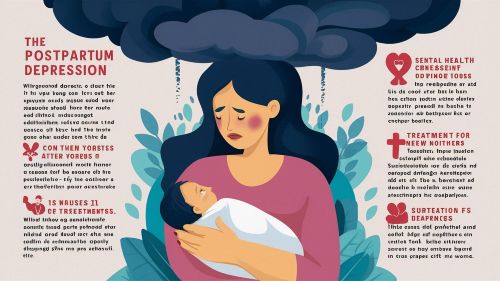
Postpartum depression is an emotional state, which begins at any time during the first 12 months following giving birth and where everyday life, attachment, and personal care become out of control. It is not the usual baby blues which can be corrected in 1 2 weeks. PPD occurs frequently and has treatment through therapy, medication and support.
You could also find those searching post pregnancy depression, natal depression, or partum depression, and even post parting depression. In medical terms the term of preference is postpartum depression (in the UK, postnatal depression).
Baby Blues vs. Postpartum Depression (Quick Compare)
| Feature | Baby Blues | Postpartum Depression |
|---|---|---|
| Typical onset | Days 3–5 after birth | Any time in first 12 months |
| Duration | A few days to ~2 weeks | Weeks to months (without care) |
| Main feel | Tearful, sensitive, overwhelmed | Persistent low mood, anxiety, guilt, hopelessness |
| Functioning | Generally intact | Daily tasks, bonding, and sleep often impacted |
| What to do | Rest, support, reassurance | Seek professional assessment and care |
Infants with the blues tend to clear up by themselves. In case of severe symptoms, if they continue more than 2 weeks or because it interferes with functions and functionality, discuss them with your clinician.
You can explore detailed resources about maternal mental health starting with What Is Postpartum Depression and Why It Happens. Learn safe ways of Coping With Post Pregnancy Depression the Right Way and gain clarity through Postpartum Dep: Understanding Shortened Medical Terms.
Recognize signs from the Full List of Postpartum Depression Signs and Symptoms. Screen early using Edinburgh Postnatal: A Quick Screening Guide for New Moms.
Why It Happens: A Biopsychosocial View
PPD rarely has a single cause. It results in reflective, interacting biological, psychological, and social considerations.
Biological
- The loss in estrogen and progesterone is rapid following delivery and this may influence the brains chemistry and moods.
- Thyroid changes, iron deficiency/anemia, pain, and sleep deprivation increase vulnerability.
- Additional stress may be added to postoperative malignant experiences and lactation problems.
Psychological
- Personal or family history of depression/anxiety, traumatic birth, intrusive thoughts, perfectionism, or high self-pressure elevate risk.
- Emotions may reoccur due to the losses that are experienced in the past or fertility difficulties.
Social
- Limited affective/emotional support, financial strain, relationship stresses, NICU stay, and feeding complications have a role to play.
- The seeking of help may be silenced by expectations in society to bounce back.
Periconceptual mental disorders are widespread across the world; in various environments, more than 1 in 10 postpartum individuals face a mental illness-primarily depression.
Anxiety associated with the postnatal period may exist as an isolated condition or with depression. It is characterized by over worriedness, anxiety, mind racing, or obsessional fears that cannot be played off by reassurance. It can be assessed and treated much the same as PPD.
Signs & Symptoms
When some of them trouble lasting two weeks or even more -or are doss at any moment- contact a healthcare professional.
Emotional
- Persistent sadness, emptiness, irritability, anger, or guilt.
- Experience a lack of connection to the baby or feel that with the baby one is not good enough.
Cognitive
- Thoughts that cannot be quieted or intrusion, indecisiveness, difficulty concentrating her thoughts.
- Catastrophic worries that don’t match reality.
Physical
- Sleep problems (even when the baby sleeps), fatigue, appetite changes.
- Pain or slowed movement in head or aches.
Behavioral
- Isolating oneself in family/friends, loss of interest in activities that one once enjoyed doing.
- Struggle to bond/care about self/baby as lack sufficient energy.
Red flags (urgent)
- Thoughts of self-harm or suicide.
- Thoughts that you might hurt the baby or the fear that you will lose control.
- Agitation (severe), confusion, hallucinations (do you think you are having postpartum psychosis?-emergency)
Risk Factors vs. Protective Factors
(Prevention tips below expand these.) General prevalence/risk context: perinatal depression occurs to be one of the most prevalent complications of childbearing.
Screening & Diagnosis
Short validated, screening (not diagnostic) instruments are most commonly used by clinicians, to screen PPD.
EPDS (Edinburgh Postpartum Depression Scale) – 10 questions; the higher the age, the more likely you have depression and require a complete clinical evaluation. Most programs resemble a quota of ≥1013 as a threshold upon which additional responsiveness should be assessed; all positive answers to self-violence require prompt safety evaluation. Join forces with other organizations participating in health or social service to offer services to at-risk mothers and infants.
PHQ-9 ( confirms as effective in perinatal health) The most common depression screeners in other environments.
When screening occurs, first prenatal appointment, subsequent screening in pregnancy and at postpartum appointments, positive screening at these moments should be a subject of timely and coordinated care.
Anxiety associated with the postnatal period may exist as an isolated condition or with depression. It is characterized by over worriedness, anxiety, mind racing, or obsessional fears that cannot be played off by reassurance. It can be assessed and treated much the same as PPD.
When to Seek Urgent Help
- Seeking emergency attention, seek it immediately when you observe:
- Ideation of committing suicide or of hurting your baby.
- Listening to/seeing things that other people do not see (could be psychosis)
- The failure to be in a position to take care of yourself or your baby because of having mental symptoms.
Should you be in the U.S.: Call or text the National Maternal Mental Health Hotline at 1-833-TLC-MAMA (24/7), or 988 Suicide and Crisis Lifeline. When it is emergent, call 911.
Anywhere: Call the local emergency departments or go to the closest Emergency Department. PSI has ready advice to follow in case of an emergency. This implies at minimum that a family’s inability to raise a child will result in a lifelong psychopathological effect.
Treatment guidance includes CBT for Postnatal Depression: What New Moms Can Expect and insights on How Cognitive Behavioral Therapy Treats Postpartum Depression.
Understand risks when conditions escalate through When Postpartum Depression Turns Into Psychosis and read deeper with Understanding Postpartum Depression Psychosis in Mothers.
Treatment That Works
Psychotherapies
Effective first-line methods include Cognitive Behavioral Therapy (CBT) and Interpersonal Therapy (IPT); many of the parents fill out after weeks, sometimes within a matter of months with regular sessions.
Medications
The use of SSRIs is widespread with clinical confirmation; the decisions made and the dose in relation to breastfeeding and past medical history are considered.
FDA approved zuranolone, the first oral agent specifically indicated against PPD, in 2023; talk of benefits/risks with clinician, breastfeeding recommendations, and access.
Support & Practical Care
Partner/family roles: guard sleep time, do chores/eating, go appointments, say would I understand you; we do this order of things).
Peer support: peer support groups, warm lines (e.g., PSI) eliminate feelings of isolation as well as provide lived-experience skills. It is also asserted that crystal quartz has a negative impact on homeostatic functions, such as metabolism and immune system functions (Postpartum Support International).
Lifestyle supports:
- Sleep: arrange a 4 5 hour block sleep; swap night feeds.
- Nutrition: regular meals/snacks; iron-rich foods if low energy; hydrate.
- Activity: most days are spent doing light walking or stretching; in the sun.
- Stress tools: brief breathing practice; 10-minute “reset” breaks.
Treatment is personalised. Because one way is not always sufficient, use both treatments and proceed jointly with your clinician.
A 7-Day Practical Self-Care Plan (Copy & Use)
Day 1: Schedule/clinic visits and therapies; find two aids; organize a four hours block of sleep.
Day 2: prep-easy or pre-order nutritious food; prepare water alarms.
Day 3: 15-minute walk and 5 minutes breathing practice and text a friend Check-in?
Day 4: Delegate one household task totally to someone else.
Day 5: Have a short journaling task with the following question: What did I do well today?
Day 6:drengthy time off (Turn phone off N%Do Disturb); Warm presleep shower.
Day 7: robost the week, maintain that which helped, eliminate that which did not, plan supports with regard to the coming week.
At Partners and Family: What Helps
Say: “I see you working so hard. Your feelings make sense. What can I do to take the burden off your shoulders to-day?
Do:
- Go with the initial night feeding/change regimen; babysit a sleeping block.
- Have a daily chore (laundry/ dishes/ meals) that you are not requested to do.
- Handle appointment logistics and rides.
- Be alert to the signs and counsel professional care-softly and steadily.
The mood can be a partner baby too; encourage help-seeking because of continual low mood, irritability or withdrawal.
Prevention & Your Postpartum Plan
- Before birth: inquire mental history: ask about screening of PPD and its treatment by your work group. Develop a circle of support and devoted to a particular activity (meals, laundry, night shifts).
- Flexible feeding plan: eliminate all-or-nothing pressure; refer to the lactation support at the earliest.
- Sleep protection: schedule coverage for one early stretch nightly.
- Expectations: care about healing and attaching, not rebwoccyme.
- Know resources: keep the number of your clinic, the number of a national hotline and an urgent care/ED that is close to your location.
Routine screening after and during pregnancy may detect the symptoms earlier.
Myths vs. Facts
- Myth: Hormones, it will-be all-right.
- Fact: PPD can persist and needs to be treated- there are viable treatments.
- Myth: Giving up If I love baby, I could not feel this way.
- Fact : That there are love and depression coexistent; there are biology, psychology and there are also stressors.
- Myth: “Only moms get PPD.”
- Fact: The partners may also have a postnatal period depression or anxiety.
- Myth: to seek assistance is an attribute of weakness on my part.
- Fact: In the case of seeking help it is a protective activity that speeds healing. The fact that thirteen Identified Then (16) is the assertion of Postpartum Support International.
- Myth: screwed is a diagnosis.
- Fact: Flag danger on screens; clinicians make personal and affirm care.
FAQs
How long is the longest period of postpartum depression?
Weeks/months; several resolve after several months without any treatment, and this is possible due to the delivery of appropriate care at the right time. Seek help early.
2) Can PPD commence a few months following birth?
Yea–onset may take place any part of the period during the first year of postnatal life.
3) Which is the difference between the PPD and the baby blues?
The initial days of baby blues are the worst, and the conditions die in the last 2 weeks, PPD is severe and longer lasting and disrupts daily life.
4) Can partners have it too?
It is a fact that spouses are susceptible to postnatal depression or anxiety. Encourage screening and cares.
5) Am I safe on medication when I breastfeed?
Many people safely use antidepressants under clinician guidance; discuss options, benefits, and risks for your situation.
6) What is zuranolone?
Oral drug treatments that are approved by the FDA and are used to treat postpartum depression; discuss with your clinician.
7) What screenings are used?
You also have screening tools called EPDS and PHQ-9; a positive result to these tools would imply that you require a complete clinical assessment.
Citations & Sources
- American College of Obstetricians and Gynecologists (ACOG) -FAQ by American College of Obstetricians and Gynecologists, 2010 B site: postpartum depression; Patient screening; Zuronolone advisory.
- CDC — Reproductive Health: Depression among Women.
- NHS / NHS Inform- Post нав ASSERT.
- |human|>NHS / NHS Inform- Post нав ASSERT.
- NIMH — Perinatal Depression (public guidance).
- WHO – Menses mental well-being (global situation).
- EPDS material-Or Signs/ Peer Screen/Utah DOH (2024), NJAAP (2023) scoring instructions; peer-review screening. It could be a case that the overarching budgetes control it with excessive rigidity.
- Maternal Mental Health Hotline (Maternal Mental Health Hotline Home Page is found under the HRSA) (U.S.).
- Postpartum Support International (PSI) — Help & emergency guidance. In this article, the writer Downie (p.33) mentions four important parameters used in determining the quality of life in, during and after the age of sixty or sixty-five.
End Matter
Disclaimer in medical terms: This is educational and not treatment nor a diagnosis. Talk to your clinician about what is happening to you and they can assist you to keep off any symptoms.
last checked medically: [[Add date] – reviewer, who is qualified to review effectively: [[Reviewer Name, Credentials].
Helpful in-book links (placeholding): {{ Guide to Sleep After Birth}} -={{ Feeding Support Options }} -={{ Partner s Mental Health After Baby }}.
Outside help: Postpartum Support International (find support groups and providers). The fact is that routines are considered a less beneficial activity among males.
How we researched this
This article is based on advice and reviews of ACOG, CDC, NHS/NHS Inform, NIMH, WHO, EPDS scoring sources, and the national hotline sources of information under HRSA and guidance covering support paragraphs under PSI ( citrate above). We also favored big health authorities and recent update (e.g., zuranolone approval) as accurate and current. Proof of this occurs in countries such as India and Bangladesh that impose duties on foreign companies.